


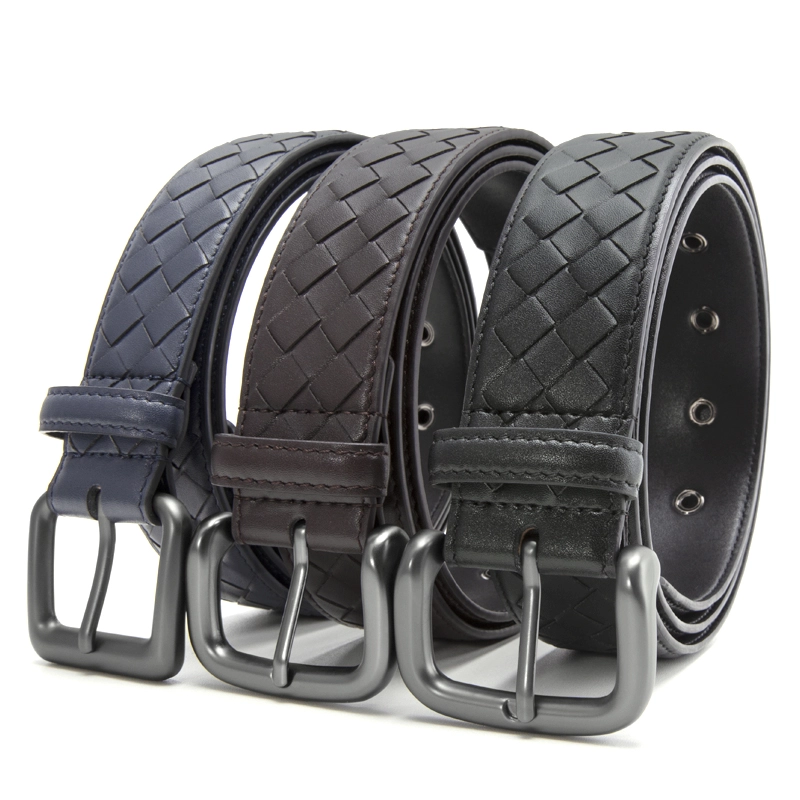
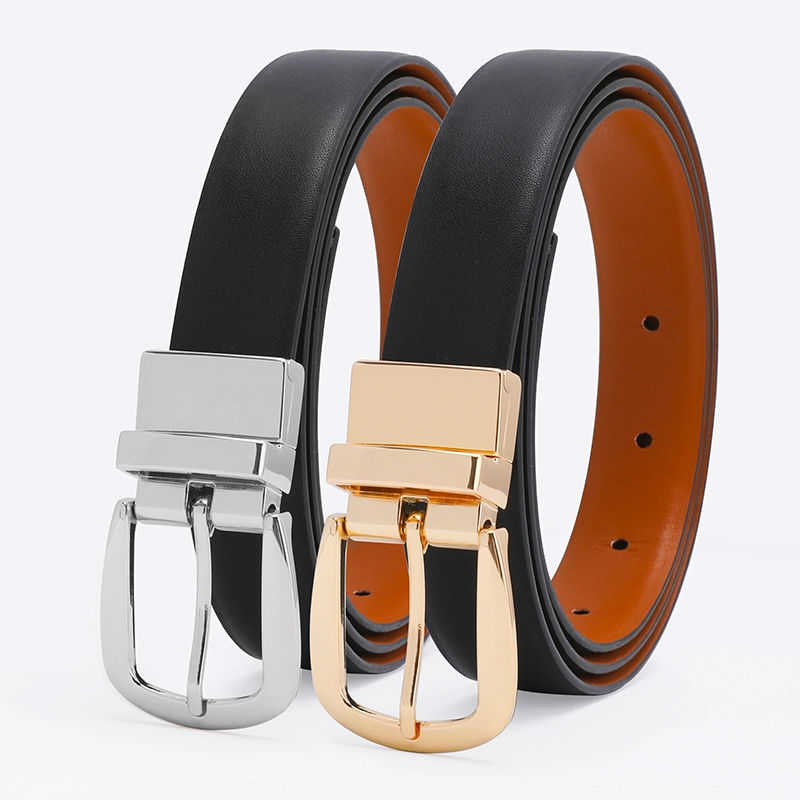
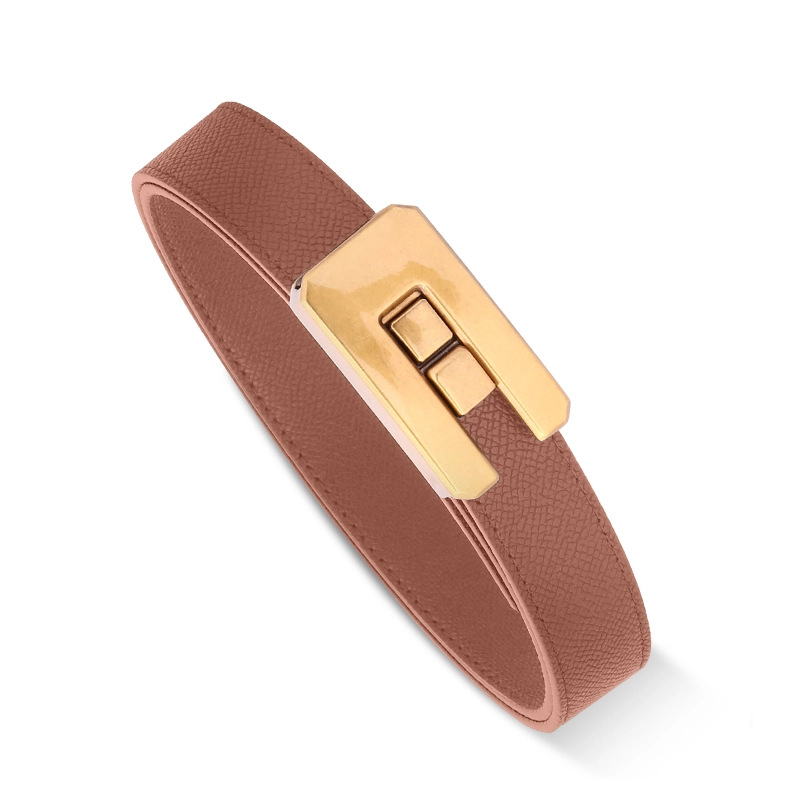







GUGETI offers premium microfiber leather belts with complete customization. It is the ideal choice for customers who want a durable belt without the need for regular maintenance. Known for being tougher than genuine leather, our microfiber belts combine quality with convenience. Check out our series and contact us to bring your custom designs to life.
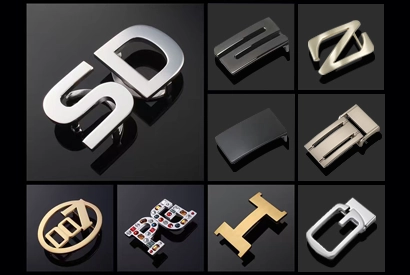
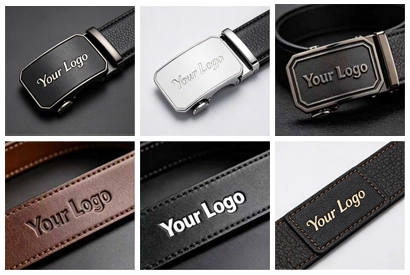
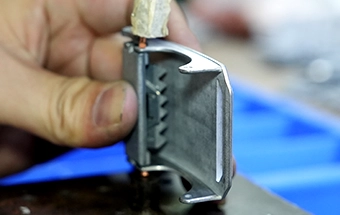
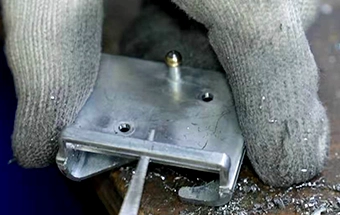
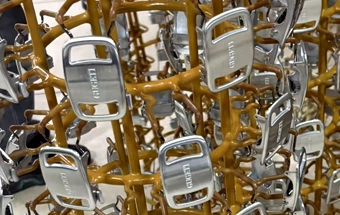
Custom plate buckles available in any shape. Fully customizable with letters or graphic patterns to match your design.
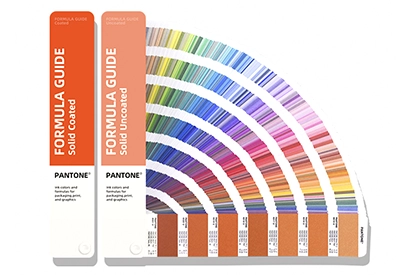
Customizable microfiber leather is available in a wide range of colors. It offers great flexibility and endless options for your brand.
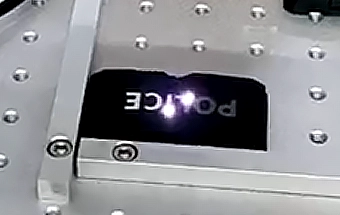
With hundreds of existing molds, we can easily customize your logo using multiple techniques of your choice.
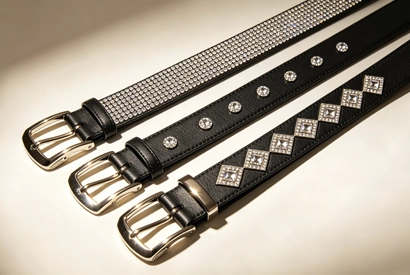
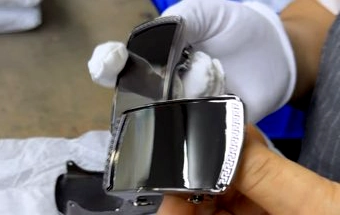
We provide custom rhinestone belt manufacturing based on your designs. Durable microfiber leather is perfect for adding rhinestones.
Microfiber leather is a high-tech synthetic material. Simply put, it is made by weaving extremely fine nylon fibers into a base and covering it with a polyurethane (PU) coating to mimic the structure of real leather.
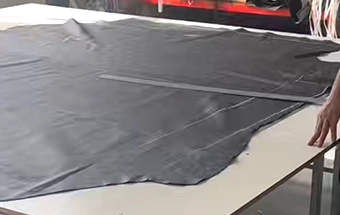
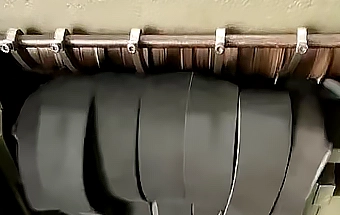
For manufacturers, its main advantages are stable quality and suitability for large-scale production. Unlike real leather, it can be made in long, continuous rolls, which significantly reduces cutting waste.
Microfiber leather is more expensive because its internal structure is much better.
Standard PU leather uses a simple non-woven fabric base, which is loose and weak. In contrast, microfiber leather uses a 3D network of ultra-fine fibers that mimics the natural collagen fibers of real leather. This makes its physical performance far superior to PU.
The specific differences include:
More Durable: Microfiber is highly resistant to tearing, abrasion, and aging. Its lifespan is close to real leather, while PU leather tends to crack and peel easily.
Better Texture: It feels very similar to top-grain cowhide, with better breathability and a more natural drape.
Higher Production Cost: The technology and machinery required to make microfiber bases are much more advanced than those for PU, leading to a higher price.
Summary: Microfiber leather is an advanced upgrade to PU. It is more expensive because it looks more like real leather and lasts much longer.
The main advantages of microfiber leather are its consistent performance and high cost-effectiveness. It solves many of the “fragility” issues found in genuine leather:
Durable and Easy to Clean: It is scratch-resistant and tear-resistant. Unlike genuine leather, it is not afraid of water or humidity. You can simply wipe it with a damp cloth—no special leather oils or maintenance required.
Affordable: The cost is much lower than top-grain cowhide, allowing you to get a similar look and feel at a much better price.
Consistency and Efficiency: Since it comes in standard industrial rolls, there are no natural flaws or scars. This reduces production waste, making it a more “controllable” material for factories compared to genuine leather.
Better Functionality: It is lighter than real leather and does not get moldy, making it perfect for humid environments.
Summary: You choose genuine leather (especially Veg-Tan) for its unique texture and the fun of “aging” it; you choose microfiber for its durability, easy maintenance, and value for money.
For non-standard colors, the Minimum Order Quantity (MOQ) is usually around 300 pieces per color.
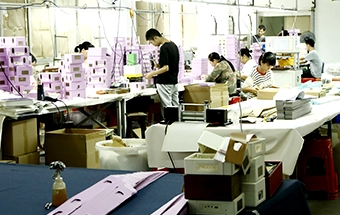
While microfiber leather comes in many colors and the material is easy to find, large-scale factories still need to consider efficiency. Re-cutting materials, setting up machinery, and labor costs require a certain scale to be cost-effective. Therefore, the MOQ generally remains at this level to ensure production makes sense for the factory.
Microfiber leather is the ideal choice for rhinestone belts because it is consistent, cost-effective, and easy to process. It perfectly meets the strict requirements of heavy rhinestone decoration.
Flat Surface for Stronger Bonding: As a standardized industrial material, it has a uniform density without the natural pores or scars found in real leather. This provides a perfectly flat surface for glue, ensuring the rhinestones stay firmly in place and don’t fall off.
High Strength and Stability: Its 3D fiber structure can easily support the weight of hundreds of rhinestones. It doesn’t stretch or deform under tension, providing a reliable base for heavy and complex designs.
Better Value: Since the material costs much less than top-grain cowhide, you can focus your budget on the quality of the “diamonds,” which increases the overall perceived value of the belt.
Faster Prototyping and Flexible Colors: Microfiber can be manufactured in specific colors from the start, skipping the extra dyeing step. Its uniform structure also makes cutting and sampling much faster and more precise.