Belt buckles do more than hold a belt in place. They influence how a belt fits, how it looks, how easily the strap can be adjusted, and how well the finished product suits its intended use.
For wholesalers, distributors, fashion brands, and private-label buyers, understanding the different types of belt buckles is essential when developing a new belt collection or sourcing custom belt hardware.
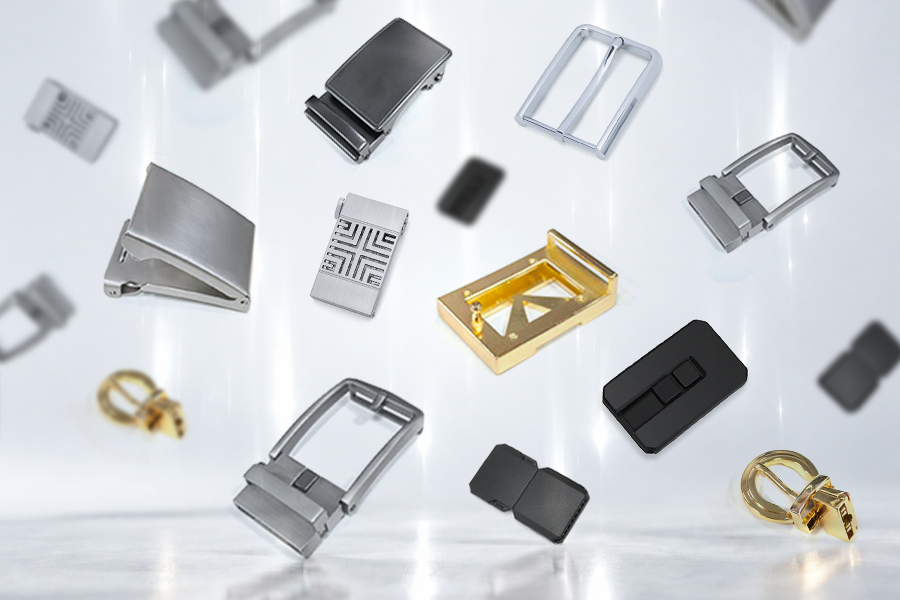
The main types of belt buckles include automatic belt buckles, pin buckles, stud-style buckles, flip top buckles, quick release buckles, and magnetic buckles. Each has a different fastening mechanism, strap compatibility, appearance, and application.
This guide explains how these buckle types work, what distinguishes their main designs, and what to consider when selecting belt buckles for wholesale, OEM, and ODM projects.
1. Automatic Buckles
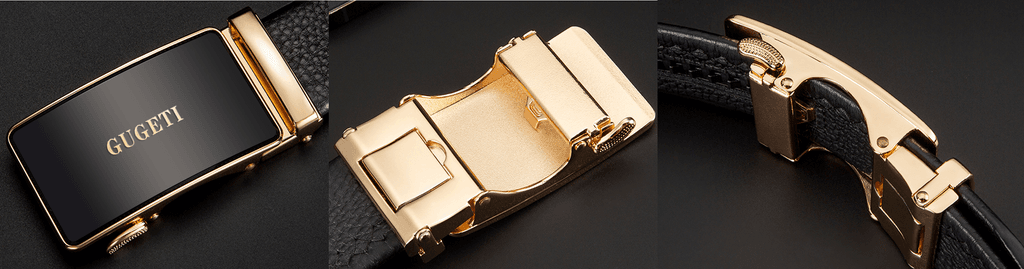
Automatic belt buckles use an internal ratchet mechanism rather than a traditional metal pin passing through pre-punched holes. The belt strap has a compatible toothed track on the reverse side. When the strap is inserted, the mechanism engages the teeth to secure the belt.
To release the belt, the wearer operates a lever or release control on the buckle. This design allows fine adjustment without relying on fixed hole positions.
Automatic buckles are widely suited to business and casual belts, particularly when a clean appearance and convenient adjustment are important.
Solid-Plate Automatic Buckles
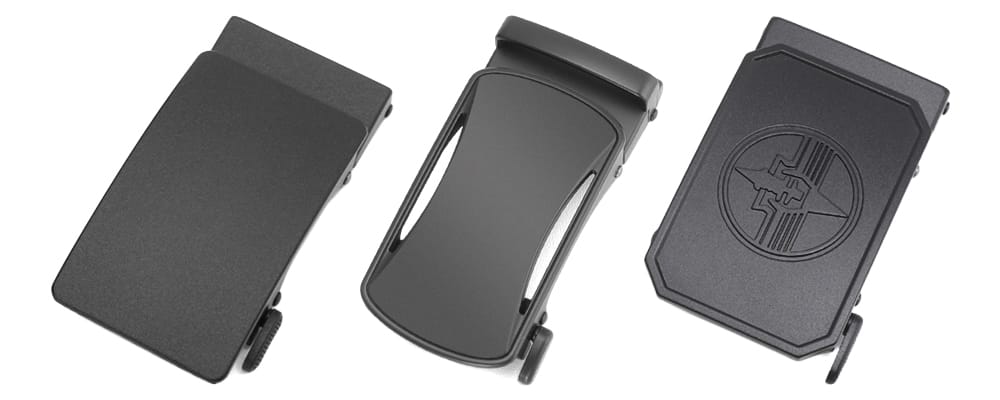
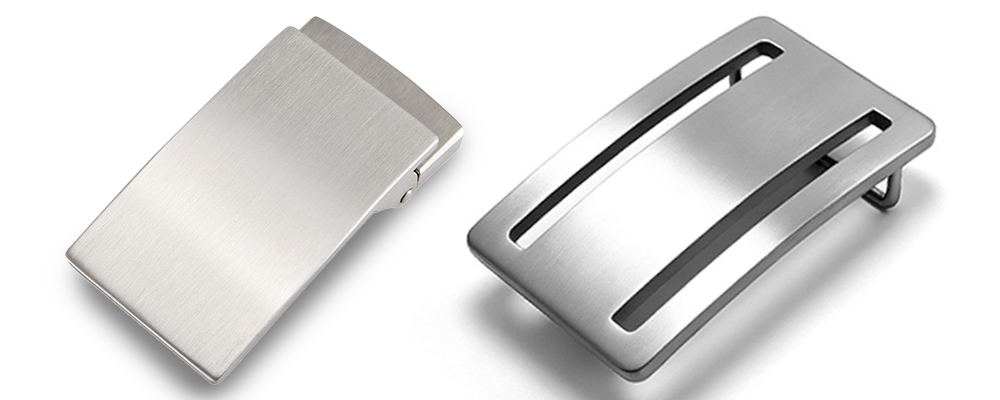
Solid-plate automatic buckles have a flat, covered front surface with a simple, refined appearance. Their design works well with formal leather belts and business-oriented collections.
The broad front face provides a suitable area for brand identification, including laser-engraved logos where the surface and finish are appropriate.
For wholesale buyers, solid-plate designs are worth considering when the target market values understated styling, a substantial metal appearance, and straightforward product branding.
Open-Frame Automatic Buckles
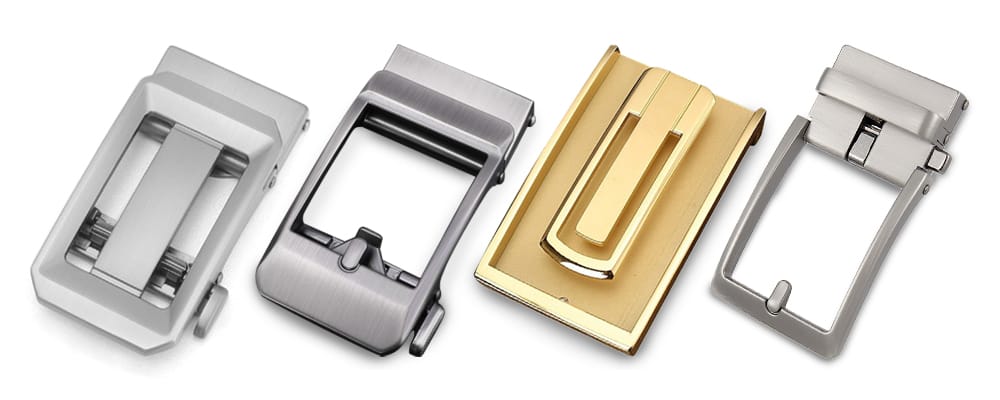
Open-frame automatic buckles feature a visible frame with open space through the center or across part of the front structure. Compared with a fully covered plate design, they generally use less material and can offer a lighter feel.
The open structure creates a more distinctive outline and can give the buckle a contemporary business-casual appearance. Some pin-inspired automatic buckles also fall into this design category.
Open-frame designs may suit brands targeting younger consumers or customers who prefer a more decorative buckle. Buyers should also consider cleaning requirements, as dust can collect around the open sections.
Multifunctional Automatic Buckles
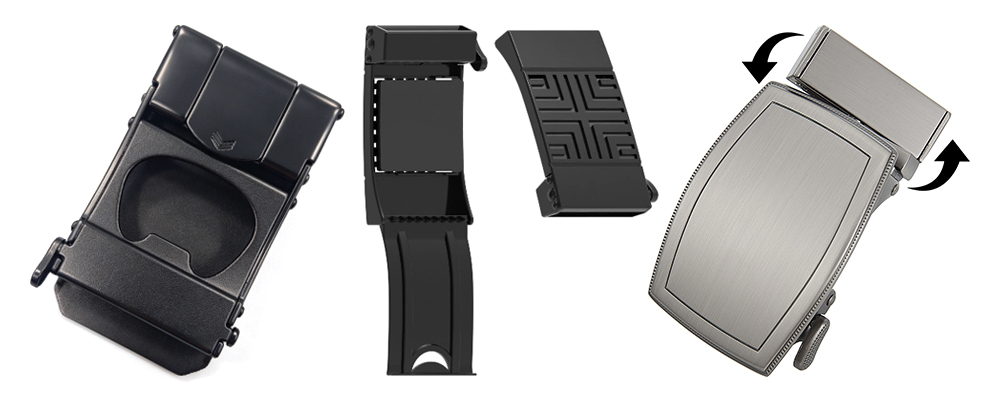
Multifunctional automatic buckles combine a belt-fastening mechanism with an additional feature. Depending on the design, this may include a built-in bottle opener, a fragrance insert, or a rotating tail clip for a reversible belt.
These features allow brands to develop products for specific customer groups rather than competing on appearance alone. However, additional functions can increase structural complexity, component count, and weight.
What Wholesale Buyers Should Know
The key purchasing requirement for an automatic buckle is compatibility with the belt's ratchet track. Matching the strap width alone does not guarantee compatibility.
Before placing a bulk order, confirm the belt width, toothed-track design, insertion direction, release mechanism, finish, and logo requirements. The buckle and strap should be evaluated as a complete system.
2. Pin Buckles
Pin belt buckles use a traditional metal prong that passes through a pre-punched hole in the belt strap. They are familiar, straightforward, and suitable for a wide range of leather and textile belt styles.
Unlike ratchet-based automatic buckles, pin buckles provide adjustment at the available hole positions. Their simple construction can make them an economical option for many wholesale programs.
Two practical variations are simple-frame pin buckles and end-clip pin buckles.
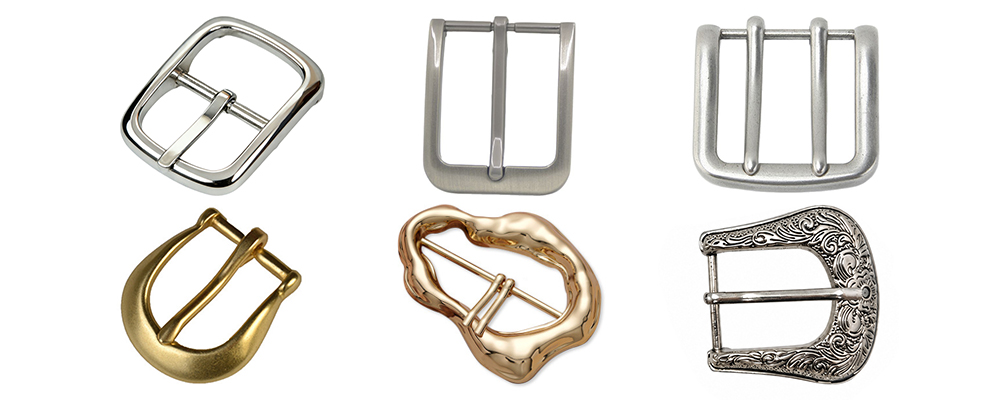
Simple-Frame Pin Buckles
A simple-frame pin buckle typically has a rectangular or similarly uncomplicated frame and a metal prong. The strap end is commonly secured to the buckle with stitching or another fixed attachment.
This construction has relatively few components but versatile, making it a practical choice for everyday belts, casual styles, retro styles, fashion styles, and cost-conscious product lines.
Because the belt end is fixed, this type is generally not designed for easy buckle replacement or strap trimming after assembly. Buyers should confirm the attachment method before finalizing their product specification.
End-Clip Pin Buckles
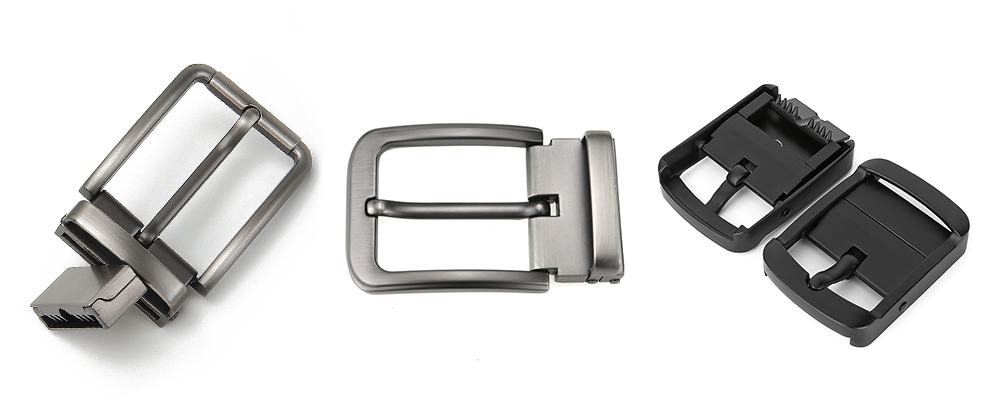
End-clip pin buckles incorporate a separate clamp or clip structure that secures the strap end. The strap can be removed from the buckle without relying on a permanently stitched connection.
This makes the design useful when a brand wants to offer replaceable buckles or adjustable strap lengths. Some versions include a rotating mechanism that allows the belt to be reversed for use with two strap colors.
Compared with a simple-frame buckle, an end-clip design usually involves more components and assembly steps.
Best Applications
Pin buckles are suitable for classic leather belts, casual belts, and certain elastic or woven belt styles. The correct buckle depends on the strap material, thickness, attachment method, and intended use.
For private-label projects, buyers should decide early whether they need a fixed attachment, a detachable buckle, or a reversible construction.
3. Plate Buckles
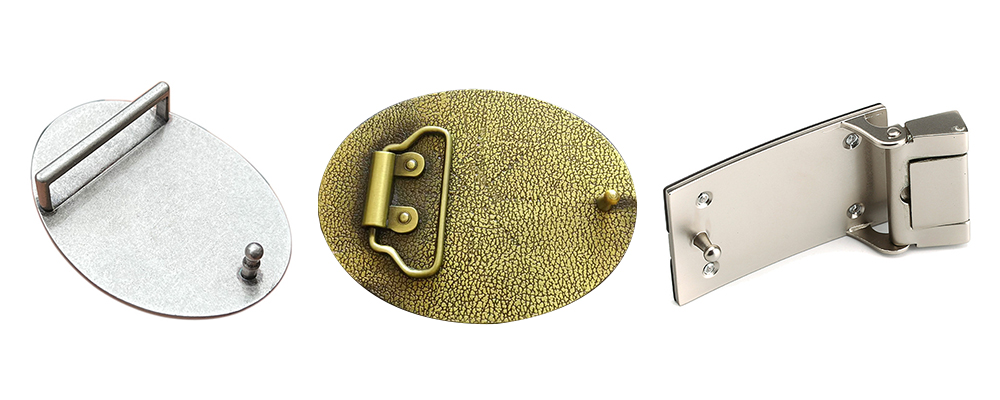
Plate buckles, also called stud-style belt buckles, it's post-style or snap-on designs depending on their construction, use a stud or fastening arrangement at the belt end rather than the traditional prong-and-hole mechanism as the defining attachment feature.
They are often selected for belts where the buckle itself is a prominent part of the product's visual identity.
Three common design directions are business-casual, fashion-oriented, and Western-inspired buckles.
Business-Casual Plate Buckles
Business-casual designs generally feature smooth surfaces, restrained contours, and polished or brushed metal finishes.
Their uncomplicated appearance works well with office belts, dress-casual trousers, and classic leather accessories. The relatively clean front surface can also provide a useful area for logo customization, depending on the buckle construction.
For wholesale buyers, these buckles are a practical choice when a collection needs a consistent, versatile appearance across multiple colors or strap options.
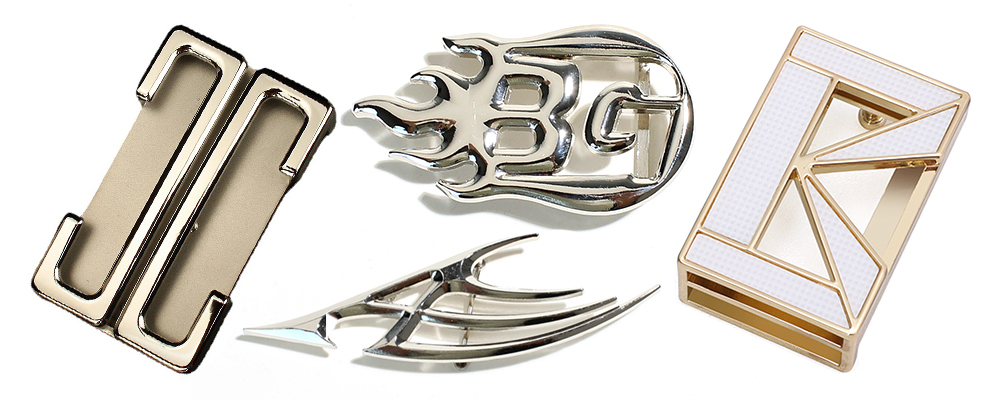
Fashion Stud Buckles
Fashion designs allow greater freedom in shape, surface treatment, and decorative detail. Depending on the design, manufacturing processes may include openwork casting, electroplating, and epoxy color filling.
These features help brands create a more recognizable product identity and build collections around particular styles, color schemes, or seasonal concepts.
Buyers should confirm that decorative details, buckle dimensions, attachment points, and the belt end are designed to work together before approving a production sample.
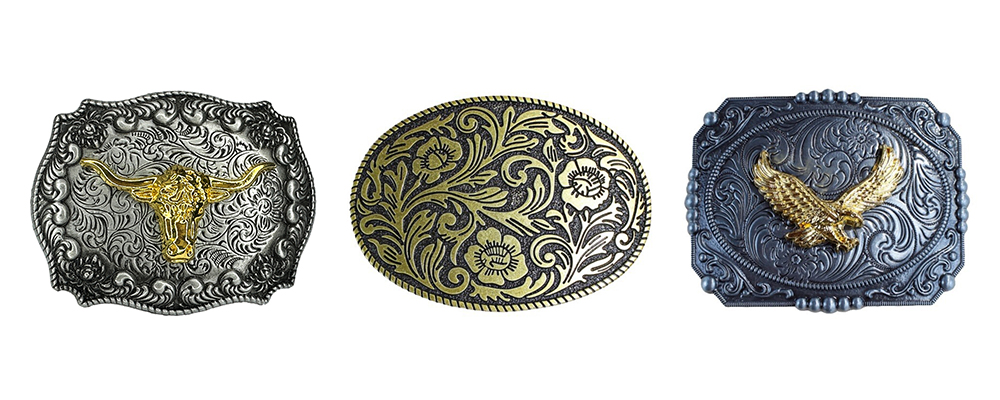
Western-Style Stud Buckles
Western-style buckles often feature oval or irregular outlines, raised decorative patterns, and antique-inspired finishes. Common visual themes include horses, longhorn cattle, and cowboy imagery.
Raised relief details and contrasting antique finishes can create a more traditional Western or vintage appearance.
These designs are especially suitable for Western fashion, denim collections, and statement leather belts. They may also appeal to brands selling distinctive accessories or collectible-style products.
How to Select a Stud-Style Buckle
The choice depends on the brand's positioning and target customer:
- Business and everyday collections benefit from clean, versatile designs.
- Fashion collections can use distinctive silhouettes and decorative finishes.
- Western-inspired collections may require more pronounced relief details and antique-style plating.
For OEM and ODM orders, confirm the fastening arrangement and strap-end construction before approving custom tooling or a bulk production specification.
4. Flip-Top Clamp Belt Buckles
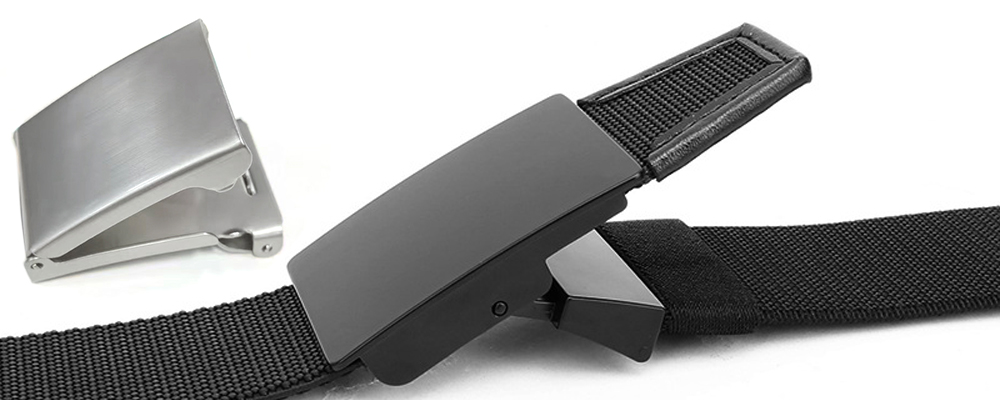
Flip-top clamp buckles use a hinged cover that opens to accept the belt strap. When the cover closes, internal teeth grip the material and secure it in place.
The wearer can usually adjust the strap along its available length rather than selecting from pre-punched holes. Lifting the cover releases the grip, allowing the strap to be repositioned.
These buckles are commonly used with nylon webbing and canvas belts. Certain designs may also accommodate thicker leather, provided the buckle is engineered for that material.
Key Features of Flip-Top Clamp Buckles
Hole-free adjustment: The strap does not need a row of conventional adjustment holes for the clamp mechanism to function.
Replaceable hardware: The buckle can be supplied as a separate component, allowing compatible replacement buckles to be offered with an existing webbing belt.
Practical construction: The squared-off shape and clamping action suit utility-focused belt designs.
Multiple applications: Depending on the specification, these buckles can be used for outdoor clothing, workwear, and everyday casual belts. Some designs incorporate additional features, such as a bottle opener.
Common webbing widths in this category include 30 mm and 38 mm, although compatibility must always be confirmed against the actual buckle and strap dimensions.
For bulk orders, buyers should check the material, webbing thickness, clamping surface, teeth engagement, and resistance to strap slippage. These details are particularly important when the belt will be used frequently or exposed to demanding conditions.
5. Quick Release Belt Buckles
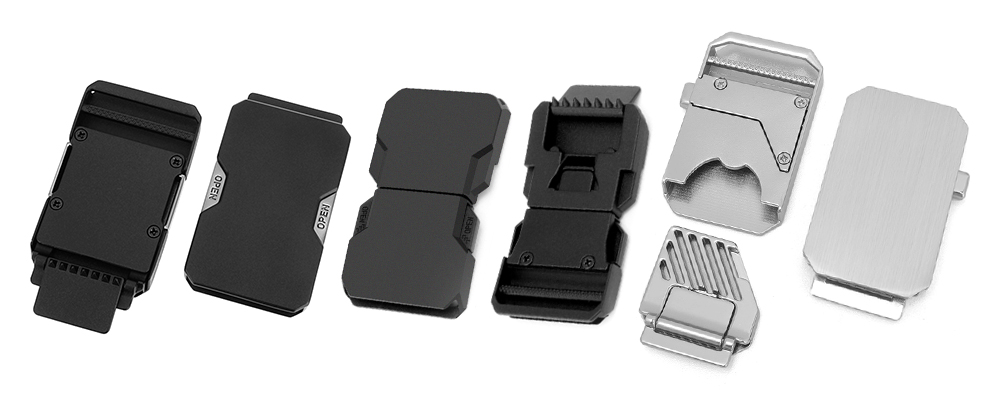
Quick-release belt buckles are designed to connect and separate quickly through a dedicated locking mechanism. Instead of opening the belt by gradually pulling the strap through a conventional buckle, the wearer presses designated release buttons to separate the buckle components.
These designs are commonly associated with outdoor, utility, and tactical-style webbing belts. However, not all quick-release buckles have the same strap attachment or length-adjustment arrangement.
For wholesale buyers, the most important distinction is whether the strap is removable and trimmable or permanently assembled to the buckle.
Outdoor and Casual Quick-Release Buckles
Outdoor-casual designs combine a practical release mechanism with a more streamlined appearance. Some use a rear tail clip that allows the strap to be removed, cut to the required length, and reinstalled.
This feature is valuable for consumer products sold to customers with different waist sizes, particularly when the brand wants to provide a straightforward way to customize strap length.
These designs are suitable for activities such as hiking, camping, travel, and everyday outdoor wear, depending on the product specification.
Professional Tactical Quick Release Buckles
Professional tactical designs typically have a more robust appearance and are intended for applications where secure attachment is a priority.
In the construction described here, the webbing is permanently sewn into the buckle assembly. The strap is therefore not designed to be detached or cut after assembly, and its supplied length is fixed.
This construction reduces unwanted movement at the strap-to-buckle connection. It may be appropriate for tactical-style products or demanding activities where the specified belt construction prioritizes stability over user trimming.
Buyers should not assume that every quick-release buckle provides the same load capacity or safety performance. The complete assembly must be evaluated against its intended application.
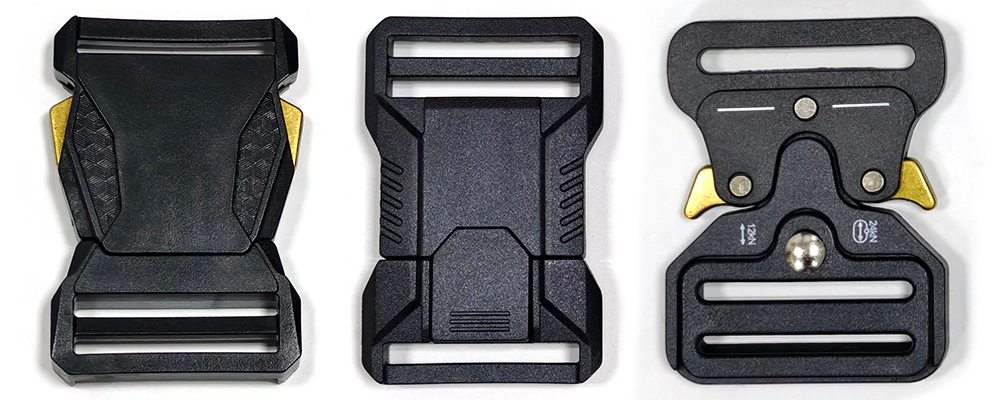
Patented or Proprietary Quick-Release Designs
Proprietary quick-release designs can incorporate distinctive internal locking structures, button layouts, and separate tail-clip assemblies.
Depending on the construction, the strap may be removable and trimmable while the buckle retains a dedicated locking design.
For brands developing differentiated outdoor or functional accessory lines, a proprietary buckle can provide a recognizable product feature. The design, tooling arrangements, and any intellectual-property claims should be confirmed with the supplier before commercial use.
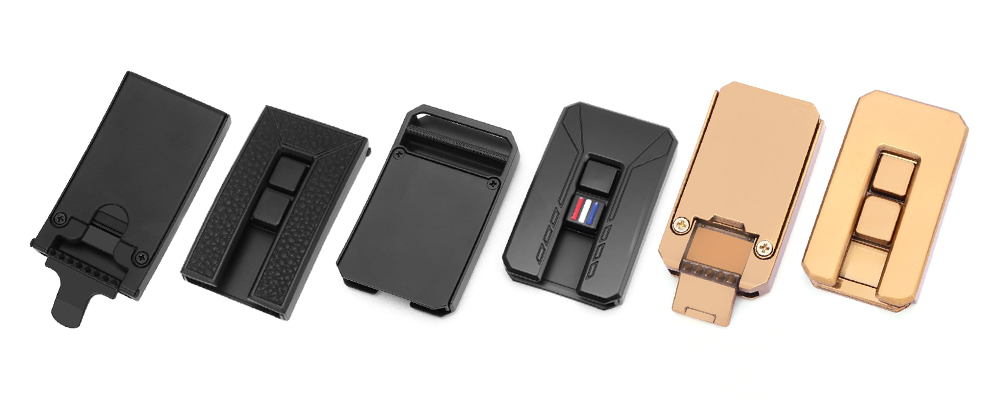
Quick Release Buckles: A Critical Selection Point
Before ordering, establish whether the webbing is permanently sewn into the buckle or retained by a detachable tail clip. This single decision affects length adjustment, replacement, assembly, and the customer's experience after purchase.
Also confirm strap width, button operation, locking engagement, material and finish, and the performance requirements for the intended application.
6. Magnetic Buckles
Magnetic belt buckles use built-in permanent magnets to assist with closing the buckle. Some designs combine magnetic attraction with internal gripping teeth, bringing together a smooth closing action and mechanical retention.
Depending on the construction, the buckle can be opened by lifting or releasing its cover, while the strap can be adjusted along its usable length without relying on conventional hole positions.
Magnetic buckles often feature rounded or rectangular shapes with a more refined appearance than many utility-oriented quick-release designs.
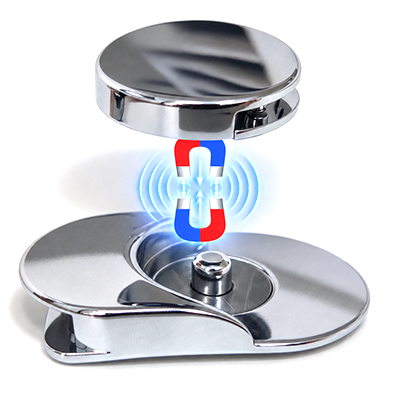
Key Advantages of Magnetic Buckles
Convenient operation: Magnetic attraction can help guide the buckle into a closed position, making fastening feel smooth and straightforward.
Fine adjustment: Designs with an internal strap-gripping mechanism can allow adjustment beyond fixed hole positions.
Premium appearance: The metal construction and streamlined shape can complement business, smart-casual, and gift-oriented belt collections.
Branding potential: Suitable flat surfaces may support laser-engraved logos, depending on the buckle's coating, geometry, and finish.
Applications and Limitations
Magnetic buckles may suit office wear, smart-casual accessories, and gift sets where convenient operation and refined styling are priorities.
However, they should not automatically be treated as heavy-duty or tactical hardware. Their suitability depends on the locking construction and verified performance of the complete belt.
Buyers should confirm retention, accidental-opening resistance, and intended use before choosing a magnetic buckle for a new product line. They should also follow the supplier's guidance on keeping the product away from magnetic-sensitive cards and devices where applicable.
7. Types of Belt Buckles Compared
The table below summarizes the six main buckle categories and the purchasing considerations that distinguish them.
| Buckle type | How it fastens | Typical applications | Main purchasing consideration |
|---|---|---|---|
| Automatic buckle | Internal ratchet engages a compatible toothed strap | Business and smart-casual belts | The buckle must match the strap's ratchet track |
| Pin buckle | Metal prong passes through pre-punched holes | Classic leather and casual belts | Hole spacing and fixed versus detachable attachment |
| Stud-style buckle | Stud or snap-style arrangement suited to the belt end | Business-casual, fashion, and Western styles | Attachment compatibility and design details |
| Flip-top clamp buckle | Hinged cover and internal teeth grip the strap | Webbing, canvas, workwear, and outdoor belts | Strap thickness, grip, and width |
| Quick-release buckle | Dedicated locking mechanism separates through release buttons | Outdoor, utility, and tactical-style belts | Strap trimming, attachment method, and intended use |
| Magnetic buckle | Magnets assist closure; some designs add mechanical grip | Business, smart-casual, and gift-oriented belts | Retention, adjustment mechanism, and application |
There is no single buckle type that suits every belt. The right choice depends on the relationship between the buckle structure, strap material, attachment method, intended user, and target price point.
8. How to Choose Belt Buckles for Wholesale and OEM/ODM Projects
For wholesale buyers and brands, choosing the correct buckle involves more than selecting a shape from a catalogue. Hardware compatibility, assembly, branding, and end-user requirements all influence the final product.
1. Start With the Belt Material and Width
Identify whether the belt will use leather, nylon webbing, canvas, or another textile material.
Then confirm the actual strap width and thickness. Although two buckles may be designed for the same nominal width, their internal fastening mechanisms may still differ.
For example, an automatic buckle designed for a toothed leather strap cannot be assumed to work with ordinary flat webbing. A clamp buckle intended for webbing also needs to be checked against the strap's thickness and construction.
2. Decide How the Belt Should Adjust
Consider how the finished product will be used and who will use it.
- Choose a ratchet-style automatic buckle when fine adjustment without conventional holes is a priority.
- Choose a traditional pin buckle when a familiar hole-based fastening system fits the product.
- Consider flip-top clamps or suitable quick-release designs when webbing adjustment or rapid opening is important.
- Consider a magnetic design when convenient operation and a refined appearance are priorities, subject to performance requirements.
3. Confirm Whether the Strap Must Be Replaceable or Trimmable
This is especially important for private-label belts sold in standard or adjustable lengths.
An end-clip pin buckle or a quick-release design with a suitable tail clip may allow the strap to be shortened and reattached. A simple-frame pin buckle may have a permanently fixed strap end, while a sewn-in tactical quick-release assembly is not designed for user trimming.
Confirm these details before selecting hardware, since they affect production, after-sales expectations, and the instructions supplied with the finished product.
4. Select the Right Finish and Branding
The buckle's finish should complement the belt material, strap color, and overall product positioning.
Depending on the design, available finish options may include brushed silver, matte silver, black, or antique-style plating. Confirm which finishes are available for the actual buckle model rather than assuming every design supports every treatment.
For branded products, determine the logo position, artwork, size, and application method. Laser engraving is suitable for a number of metal buckle designs, but the final result depends on the surface shape and finish.
A physical sample is useful for checking logo legibility, visual balance, and the overall appearance of the assembled belt before mass production.
5. Evaluate the Complete Assembly
A buckle should not be approved based on appearance alone.
Check that the strap fits correctly, the locking mechanism engages as intended, the release is practical, and the finish meets the agreed specification. For outdoor or utility products, performance testing should reflect the intended application.
For mechanisms such as automatic, clamp, quick-release, and magnetic buckles, pay particular attention to the interaction between the buckle and the strap. The two components work as a system, and nominal dimensions alone do not establish compatibility.
6. Discuss Customization Before Mass Production
For OEM and ODM projects, buyers should provide a clear product brief covering:
- Required buckle type, dimensions, and compatible strap material.
- Target finish, color, surface details, and brand logo.
- Strap attachment, adjustment, and cutting requirements.
- Intended use, target market, and required performance.
- Sample approval, tooling requirements, packaging, and order quantity.
Clear specifications reduce misunderstandings during sampling and make it easier to compare supplier quotations on a like-for-like basis.
For brands developing a new buckle shape or a distinctive functional design, discuss tooling feasibility, design ownership, and applicable intellectual-property arrangements before proceeding.
9. Custom Belt Buckles for Wholesale Buyers
Custom belt buckles give brands more control over product appearance, fastening experience, and market positioning. The right customization approach depends on the product category.
For a classic leather belt collection, a simple-frame pin buckle or solid-plate automatic buckle may provide the understated appearance the market expects. A fashion label may prefer a distinctive stud-style design, while an outdoor brand may prioritize webbing compatibility and a quick-release mechanism.
The most effective approach is to establish the product requirements first, then select the buckle construction and customization options that support them.
When requesting a wholesale quotation, share the belt width, strap material, buckle type, desired finish, logo artwork, and expected order quantity. Include any requirements for reversible use, replaceable hardware, or user-adjustable strap length.
A supplier can then evaluate the suitable construction, confirm compatibility, and prepare a sample for review before the design moves into bulk production.
For private-label and OEM/ODM belt programs, this process helps align the hardware, strap, branding, and final product specification from the beginning.
Frequently Asked Questions About Types of Belt Buckles
What are the main types of belt buckles?
The six types covered in this guide are automatic buckles, pin buckles, stud-style buckles, flip-top clamp buckles, quick-release buckles, and magnetic buckles. They differ in how they fasten, how the strap attaches, how adjustment works, and which applications they suit.
What is the difference between an automatic belt buckle and a pin buckle?
An automatic belt buckle uses an internal ratchet mechanism that engages a compatible toothed strap, allowing fine adjustment without conventional holes. A pin buckle uses a metal prong that passes through a pre-punched hole. Automatic buckles require a compatible ratchet track, while pin buckles require suitable hole placement.
Which types of belt buckles work best with webbing belts?
Flip-top clamp buckles, auto-lock buckles and suitable quick-release buckles are common choices for webbing belts. Certain woven or braided straps may also use pin buckles. The best option depends on the webbing material, width, thickness, intended application, and desired attachment method.
Can both leather and webbing can use the same belt buckle?
Not necessarily. Compatibility depends on the buckle's internal fastening system, strap thickness, width, and attachment method. Some magnetic buckle designs may accommodate either leather or webbing when properly specified, while an automatic buckle designed for a toothed strap or a sewn-in quick-release assembly may have more specific requirements. Always confirm compatibility with the exact model.
Which belt buckle is best for business or formal leather belts?
A solid-plate automatic buckle or a simple business-style pin buckle may suit formal and business-oriented leather belts. The final choice depends on the brand's preferred look, strap construction, and product requirements.
Can we custom the belt buckles for OEM and private-label orders?
Yes. Depending on the buckle design and supplier's capabilities, customization may include the shape, dimensions, finish, logo, and selected functional features. Custom tooling may be required for a new design. Buyers should confirm feasibility, costs, sampling arrangements, and design ownership before approving production.
Final Thoughts
Understanding the different types of belt buckles helps wholesalers and brands make better sourcing decisions. Automatic and pin buckles serve different fastening preferences, stud-style buckles offer greater freedom in decorative design, flip-top and quick-release mechanisms suit many webbing applications, and magnetic buckles can provide a distinctive fastening experience for selected product lines.
For a successful OEM or ODM belt project, start with the intended application and strap construction, then confirm the buckle mechanism, customization requirements, and performance expectations.
Looking for custom belt buckles or complete belt solutions for your brand? Share your target design, belt material, specifications, and logo requirements with your manufacturing partner to identify a suitable option for sampling and wholesale production.