If you want to build a sustainable belt brand, finding the right partner is key to your success. The belt manufacturer you choose doesn't just make products—they directly affect your company's growth and reputation.
Why Need a Right Belt Manufacturer?
For Your Product
For a brand to survive, there are two important things it must do well: design and quality. You can make the most beautiful design ever, but if your supplier can't make it the way you want—or even worse, makes products with bad work and doesn't check quality well—your idea will fail. You really need a reliable manufacturer; you can't do without one.
For Your Time and Cost
How fast you make products and how much you spend are the most important parts of production. How well your supplier can produce things decides if you can finish orders on time, especially when your product becomes popular and you get a lot of sales. Can they make enough products to keep up with your plan without making them worse?
How much you spend is also very important. In a market where many brands compete, you need a partner who keeps improving their work to spend less money, or makes better products at the same price. How the supplier manages their own business often decides if your brand can be different from others.
Value of Long-Term Cooperation
A lot of brands think, "I have a great design—I'll just find a cheap factory to make it." But is it really that easy?
Belt Manufacturers also face a lot of competition. If a factory doesn't have anything special to offer, it might go out of business. If your supplier closes, the molds and tools you paid for will be useless, and you'll lose money directly.
Problems When Choosing a Belt Manufacturer
We live in a time with too much information. Emails, social media ads, and fancy websites fill our days. It seems easy to find a belt manufacturer, but you hardly have time to talk to many of them. You also can't check if they're as good as they look online. And you definitely can't buy samples from every single one. The real problem is knowing how to search for them and how to tell if they're good.
Lots of Manufacturers, Different Skills
The market has big factories, small workshops, and even trading companies that pretend to be manufacturers. Each one is good at different things and has different flaws. How do you find the one that's right for you? What questions should you ask when you talk to them to make a good choice? That's what makes a professional buyer different from someone who's new.
Balancing Design, Quality, Price, and Delivery
Everyone wants a unique design, good quality, low price, and fast delivery. But that's almost never possible. In fact, if someone says they can give you all four without cutting corners, you should probably be careful. Before you start looking for a manufacturer, you need to decide which one is most important for your brand right now. That choice will help you find the right manufacturer.
What to Do Before Choosing a belt Manufacturer
If you want to find the right belt manufacturer quickly, you need to prepare well first. You have to figure out what you need first, so you can talk to suppliers easily and efficiently.
Figure Out Who You Are
As I said before, you need to balance design, quality, price, and delivery time.
First, ask yourself these questions:
A)Is your brand cheap, mid-priced, or expensive?
B)Are belts a new product for you, or are you just adding belts to your existing products?
C)Who are your customers?
Your answers to these questions will tell you what kind of belt manufacturer you need to choose.
Know Your Belts
A)Belt Type: There are many kinds of belts, and good manufacturers usually focus on specific types. Not every factory is good at making all kinds of belts. When you look at a manufacturer’s website, pay close attention to their main products. If their main products are very different from what you need, they might still agree to make them, but the work might not be good, and the price will probably be higher than a manufacturer that specializes in your type of belt.
B)Belt Specification: Be ready to tell suppliers exactly what you need. This includes specific details (like materials, size, design pictures, package), how many products you plan to order, when you need them. A good manufacturer will ask for this information first to give you an accurate price.
C)Special Needs:If you have special needs—like specific test reports or certificates—ask about these early. Better certificates usually mean higher costs. Before you spend more money on these, think about whether your customers really need them.
Collect Manufacturer Information
Find possible belt manufacturers through industry shows, Google searches, B2B platforms (like Alibaba, Made-in-China, Global Sources), recommendations from other brands, and social media. You might even find good ones from the sales emails you get.
Compare quickly and ask for initial prices. Get rid of any companies that clearly don’t meet your basic needs.
Try to make a list of 10 to 20 possible manufacturers to compare.
Key for Choosing Belt Manufacturer
Once you have a list of around 20 suppliers, what specific things should you check to pick the best ones?
Key 1: Belt Manufacturer's Environment
No matter if your manufacturer is in China, Pakistan, Vietnam, or another country, you must carefully consider these key factors:
A)Energy & Reliability: Do they have stable energy supplies? Is there a risk of production halts due to power shortages or technical faults?
B)Political Stability: Is the local political environment safe? Could conflicts or policy changes lead to a shutdown?
C)Logistics & Cost: Is their location well-connected for air or sea shipping? Do they have access to enough shipping companies to ensure competitive freight costs?
Key 2: Belt Manufacturer's Scale
If you sell online, you know how hard it is to make a product popular. You can't afford to run out of stock. Delivering orders on time is the most important thing.
Ask them about:
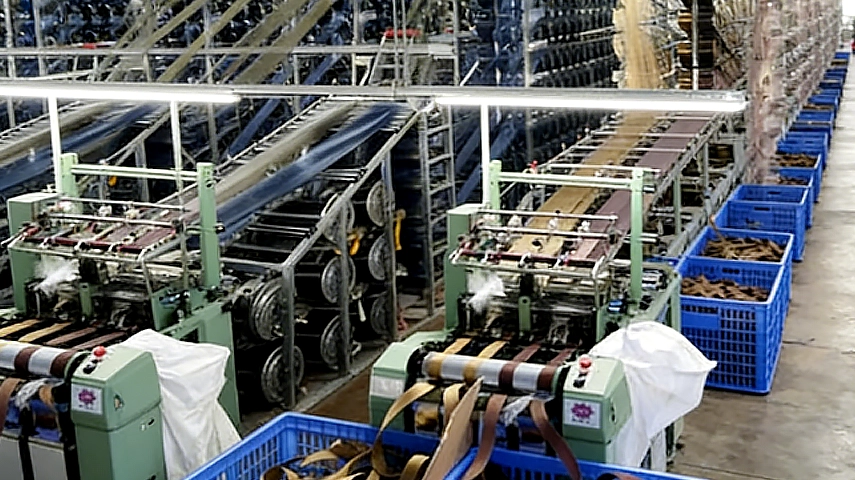
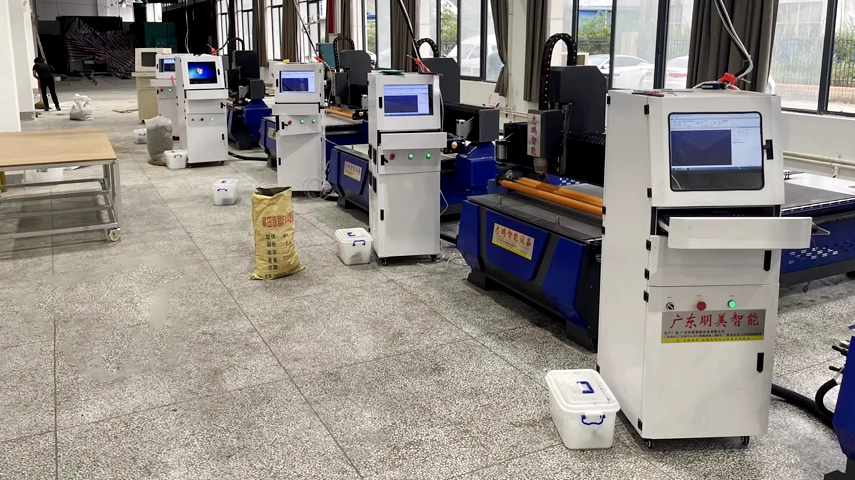
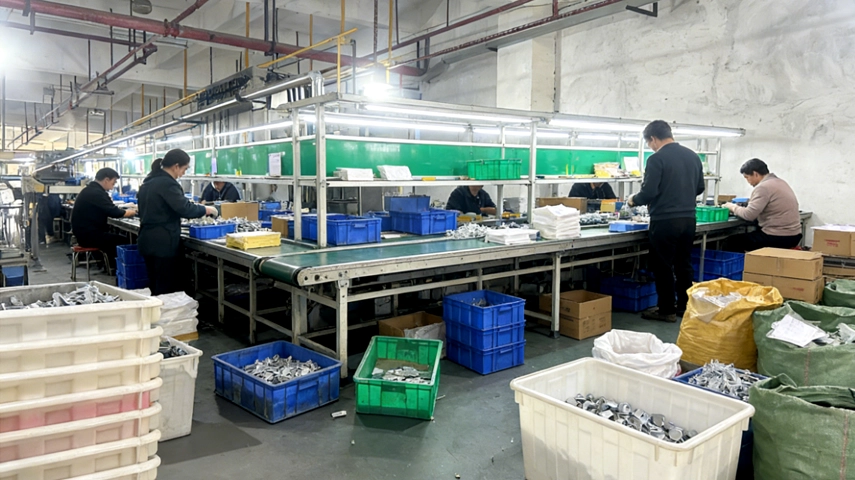
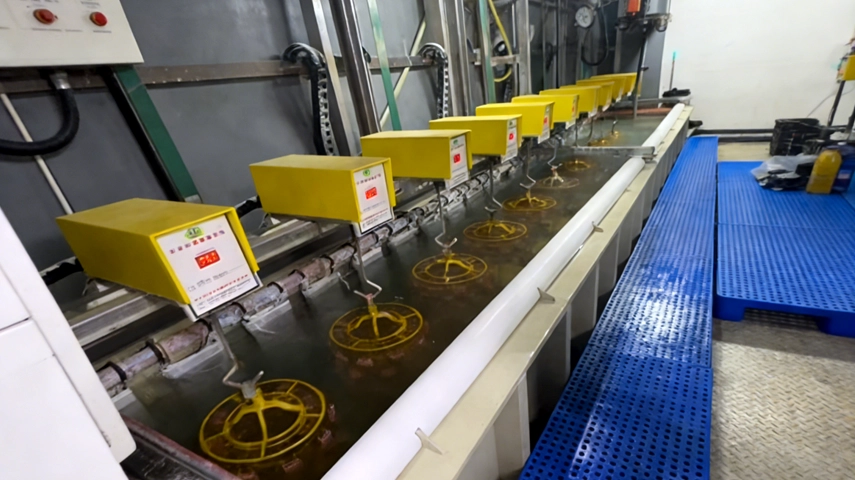
A)How big their factory is?
B)How many production lines they have?
C)How many products they make in a year?
D)How long it usually takes them to make an order?
E)Are they capable of handling unexpected rush orders and delivering on time?
Key 3: Belt Manufacturer's R&D Ability
If you plan to launch new belt styles often, the manufacturer's ability to make new things is important.
If they don't make new designs and only use common molds, you'll probably end up fighting with competitors over price for the same products.
Even if you have your own designs, a weak team that makes new things won't be able to make your ideas real.
Check: How many peoples for their R&D team? If they have any design patents can show to you?
Key 4: Belt Manufacturer's Experience and Service
A)Experience: Before you get a sample, ask for videos of their past projects. You can usually tell if a belt is well-made from a video—like the leather feel, the stitching, the metal on the buckle, and the logo details.
B)Service: Check how they communicate: Do they reply quickly? Do they give helpful solutions, or just short answers?
A manufacturer that talks to you easily, shares useful knowledge, and makes your job easier is worth paying a little more for.
Key 5: Belt Manufacturer's Reputation
A)B2B platforms: Look for verified supplier marks and what other customers said on their transaction pages.
B)Social media: Search and check, you might find people complaining publicly if the company or salesman has a bad name. Doing this check helps you avoid bad companies.
Key 6: Belt Manufacturer's After-Sales Service
Does the manufacturer offer a warranty? How long is it? A supplier that stands by their products with a clear warranty is usually more confident and responsible.
Key 7: Belt Manufacturer's Financial Stability
It’s hard to get a factory to say they're having money problems, but you can look for signs.
A)Does the factory have its own brand or sell products they already made?
B)Having steady money from these things can keep the factory running even when custom orders are slow?
C)Do they offer extended credit terms just to get your order, even when you're a new customer to them? If they do this for everyone, a bad market could put them out of business.
Making the Final Choice
Once you cut your list down to 3 to 5 final manufacturers, how do you pick the best one?
Step 1: Get Samples
You must see a real sample. If your belts are highly customized, a good manufacturer will definitely make a sample before they start mass production. Check if the sample looks and feels like what you designed. Test it to see if it's comfortable and durable. Does it meet your standards?
Step 2: Compare Price and Conditions
If all the samples from your shortlist are good enough, the product itself won't decide which one to choose. Now you need to compare specific details:
A)The minimum number of products you have to order (MOQ)?
B)How you pay?
C)How long it will take to make your order?
D)What the warranty covers?
Step 3: Negotiate the Terms
If 2 or 3 options are almost the same, it's time to negotiate. See which one is willing to help you more or be flexible with the price. This is how you start a good working relationship.
Step 4: Visit the Factory (If Possible)
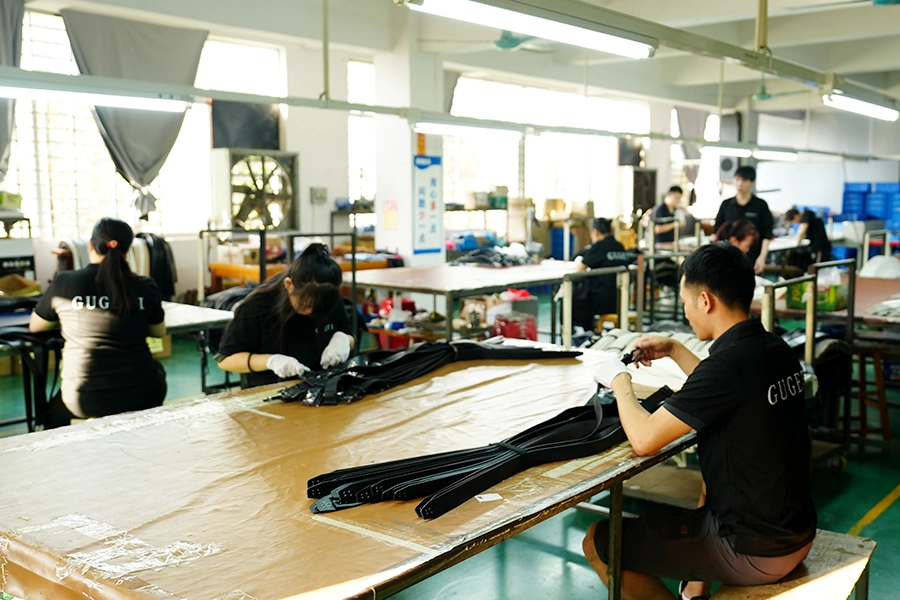
If you have the money or chance, visiting the factory yourself—or hiring someone else to check it for you—before placing a big order is a smart move. Seeing how they work and what equipment they use will confirm that they're real and reliable.
Be Careful for Potential Risks
As you make your final choice, don't forget these risks.
Be Careful with Low Prices
The cheapest price usually has the biggest problem. You might lose your deposit, or get a whole shipment of useless products. Learn what a reasonable price is for your belts. If a quote is much lower than that, be careful.
Put Everything in Contract
Make sure everything you talk about is clearly written in the contract or Proforma Invoice (PI).
This includes details like:
A)Product Specification
B)Product pictures or Design Draft
C)Unit Prices
D)Warranty Rules
E)Trade Term
F)Delivery Time
...or more.
If something goes wrong, an unclear agreement won’t protect you.
Keep Following the Belt Manufacturer Status
A manufacturer that was great last year might not be good this year. Don't get lazy. Regularly check if your current partner is still meeting your original requirements. If their quality or service gets worse, start looking for a backup plan before you're stuck.
Final Thoughts
Finding the right belt manufacturer isn't just about making a product. It's about building a working relationship where both sides benefit. If either you or the manufacturer isn't honest, the whole project will fail. If you figure out what you need first, check carefully, and don't just focus on the price, you'll find a partner that helps your brand grow well.
Good luck with your search and your business!